




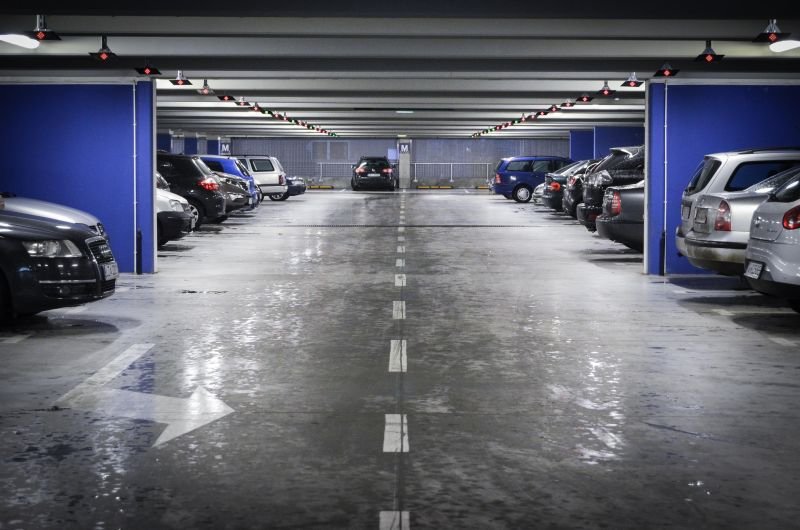
How should a parking space be identified in the lease?
If the tenant needs specific spaces, the agreement should state how many are included, give their numbers and parking levels, and identify them on a plan attached to the lease. This can be particularly important if some spaces are outside and others are in an underground car park. A space near the entrance may be essential for serving customers, while a space on a lower level may suit an employee who parks all day.
A clause identifying the spaces might read: “The Landlord grants the Tenant the use of two surface parking spaces on plots 123/1 and 114/2 on Krakowska Street in Warsaw, and two parking spaces in a two-level underground car park. The exact locations are shown in Appendix 3 to this Agreement.”
The landlord may reserve the right to relocate a space, for example while construction work is under way in the car park. The tenant should check how much notice it will receive and what the replacement space must offer. If customers use a surface space because their vehicles cannot fit in the car lift, keeping the same number of spaces will do little to maintain access. Take this into account when agreeing the parking plan and the other appendices to the commercial lease agreement.
Which vehicles can use a leased parking space?
A sample clause might read: “The Tenant may use the Leased Property solely to park roadworthy passenger cars.” This wording has practical consequences for a business. If a van also needs to use the space, expressly permit that type of vehicle in the agreement. Check the access dimensions separately. For example, if the only way in is via a lift measuring 5.5 m long, 2.3 m wide and 1.9 m high, check the dimensions of the vehicle with any equipment fitted.
When does parking rent start?
The parties can agree separate rates for surface and underground spaces and tie the start of rent to the handover of each space to the tenant. The agreement can also provide for partial handover. If two of four spaces are ready and the tenant accepts them, the agreement can provide that rent is due only for those two until the others are handed over. The handover report should record the space numbers, the handover date and the access cards and remote controls issued.
For monthly billing, the parties can agree that the first rent payment falls due within seven days of handover and is prorated for the number of days in the month covered by the lease. Subsequent payments can be due in advance by the tenth day of each month. If the rate is set in euros and payable in Polish złoty, the lease should specify the exchange rate and the date used to determine it.
A sample clause might read: “The parties agree that the monthly rent for each surface parking space is the PLN equivalent of EUR 100, plus VAT. The monthly rent for each underground parking space is the PLN equivalent of EUR 120, plus VAT. Parking Rent accrues from the Handover Date of the Leased Property. The first Parking Rent payment is due within seven days of the Handover Date and covers the period from that date to the end of the same calendar month. Subsequent Parking Rent payments are calculated monthly and are due in advance by the tenth day of each calendar month.”
The parties should agree separately on parking rent indexation. For example, they may agree that on 1 April the rent will rise in line with the previous year’s positive Harmonised Index of Consumer Prices (HICP) for the European Union, with effect from 1 January. The tenant may then owe an adjustment for the first three months of the year. If the parties intend the rent to stay the same when the index falls, they should state this expressly. We discuss this mechanism in more detail in our article on rent indexation in commercial leases.
Who must follow the parking rules and how should drivers receive them?
The business signs the lease, but individual drivers use the car park. The rules should therefore specify who may use the spaces and how they can gain access. Depending on the tenant’s operations, users may include employees, board members, customers, visitors and technical staff. For service premises, the procedure for admitting a one-time visitor is particularly important. Agree who notifies the building of the visit, who opens the barrier and how the customer leaves after reception closes.
The parties can also require the tenant to make sure authorised users are familiar with the rules. A sample clause might read: “The Tenant, members of its governing bodies, its agents, visitors, customers, employees and technical staff must familiarise themselves with the Rules, comply with them and refrain from any conduct that could disrupt safety, order, discipline, quiet or the proper operation of the Car Park. The Tenant is responsible for ensuring that these persons are familiar with the current Rules.”
Give employees the rules when issuing their access cards. Before a customer’s visit, send details of the entrance, the space number and any vehicle restrictions. The lease should distinguish permission for an employee or customer to park from subletting a space to another business. This allows the tenant to use the car park as needed while complying with a prohibition on subletting.
If the rules are attached to the lease, identify the applicable version and specify which document takes precedence in the event of a conflict. This matters, for example, if the tenant negotiated 24-hour access but the building manager later issues instructions closing the entrance in the evening.
Traffic and parking rules in the car park
Where the rules form an integral part of the lease, they may impose a 5 km/h speed limit, require dipped headlights and direct drivers to follow signs, road markings and traffic instructions from security staff. Let drivers know about site-specific restrictions at the entrance.
The parking rules should require drivers to use the space allocated to the tenant and stay within its markings so that users of adjacent spaces can drive in, get out of their vehicles and leave. Specify separately that drivers must keep the car lift entrance, traffic lanes, emergency routes and exits clear. The rules should also address the use of accessible parking spaces.
Which vehicles and activities can the rules prohibit?
Specify which part of the car park each restriction applies to. For example, a clause may state that “vehicles powered by liquefied petroleum gas (LPG) may not enter the underground level of the Car Park”. This restriction applies to the underground level. A business using LPG vehicles should consider it when choosing spaces and assessing whether a replacement space offered by the building manager meets its needs.
The rules can be organised around what drivers do in the car park:
- Entry and parking. The rules may prohibit vehicles with trailers, vehicles leaking fluids and leaving a vehicle parked with its engine running.
- Fire safety. The rules may prohibit smoking, open flames, refuelling and storing fuel, flammable substances or empty fuel containers.
- Work on vehicles. If spaces are solely for parking, the rules may prohibit washing or vacuuming vehicles and changing oil or coolant. If a leak occurs, the driver should know how to contact the building manager.
When can the parking rules provide for towing?
Describe precisely what may trigger intervention. A sample provision could apply “if a driver obstructs traffic in the Car Park by parking improperly”. Blocking the exit from the car lift differs from occupying someone else’s space while leaving traffic lanes clear. If the parties want the procedure to cover both situations, they should describe each one.
The procedure should identify who makes the decision, whether the driver can be contacted first, how the vehicle’s position and condition are documented, and where the driver can find out how to retrieve it. If the rules provide for charging the driver, specify how the costs will be documented. A lease clause alone does not establish a legal basis for towing or entitle the landlord to recover costs from every third party who enters the car park.
Who is liable for damage, collisions or theft in the car park?
The rules should explain what a driver should do after damaging a barrier, hitting another vehicle or discovering a leak. A sample clause might read: “If damage occurs, the driver must notify the Building Manager immediately, before leaving the Car Park.”
To make reporting possible after hours, display a phone number or directions to a staffed security point at the exit. The report should include the time, the space number and a description of what happened. This helps the building manager preserve the relevant footage before the system overwrites it.
CCTV and building security alone do not establish that the operator accepted the vehicle for safekeeping. Liability for theft may depend on whether the operator undertook to take custody of the vehicle and how the car park operates in practice. Likewise, a general disclaimer of liability for damage does not decide every case. Damage caused by another driver and damage involving equipment operated by the building manager call for different assessments. Under Article 473(2) of the Polish Civil Code, a contractual provision cannot validly exclude a debtor’s liability for loss intentionally caused to the creditor.
How can the landlord secure payment of rent and return of the space?
The parties can make handover conditional on the tenant paying a security deposit and delivering a notarial deed in which it submits to enforcement of its obligation to return the leased property. The two measures serve different purposes. For the deposit, specify which amounts the landlord can deduct, when the tenant must top it up and when the balance will be returned. For example, the parties could allow five days from receipt of a written demand to replenish the amount used. We cover permitted deductions and how to settle the balance in our article on security deposits in commercial leases.
If the notarial deed secures the return of the spaces at the end of the lease, the spaces should be identified consistently in the deed, the agreement and the car park plan. Bear this in mind if the landlord reserves the right to relocate them later. For more on how this security works, see our article on voluntary submission to enforcement in commercial leases.
When does the parking lease end and how should the spaces be returned?
For a separate parking lease, agree what happens to the spaces when the lease of the premises ends. The parties can provide for both leases to end automatically or give one party the right to terminate the parking lease. Under the second arrangement, expiry of the office lease does not replace a notice terminating the parking lease. The agreement should address expiry at the end of the agreed term, early termination of the premises lease by notice and termination by mutual agreement.
The parties can also set out a procedure for breaches of the parking rules. For example, the landlord could give written notice requiring the tenant to stop the breach and repair the damage within five days of receiving the notice. If the tenant fails to comply by that deadline, the landlord may exercise the contractual right to terminate. The parties could agree a separate procedure for rent arrears, such as issuing a written warning once two months’ rent is overdue and giving the tenant a further month to pay.
Finally, record the return of the spaces in a written handover report. If the agreement provides for a contractual penalty for late return, check both the rate and how it is calculated. At PLN 500 per space per day, returning two spaces three days late would result in a penalty of PLN 3,000 under such a clause. The report should record when each space was vacated and confirm the return of cards and remote controls. Agree how receipt will be confirmed if one party’s representative does not attend.
Before signing, walk through a visit from the driver’s perspective. Consider a customer arriving after office hours. Do they know where to enter? Will their vehicle fit in the lift? Who will open the barrier or answer the phone if the equipment fails? The answers help identify which terms to negotiate with the landlord and which details to explain in the rules given to drivers.
How can we help with a parking space lease?
Verdict Partners advises landlords and tenants on entering into and performing commercial leases. If the car park serves an office, shop or service premises, we review the parking agreement alongside the lease of the premises, the parking plan and the car park rules. Depending on your needs, we can help you:
-
- Draft and negotiate the lease, including who can use the spaces, when the landlord can relocate them and how rent is calculated after partial handover or during a lift breakdown.
-
- Draft car park rules covering access for employees and customers, damage reporting and how the building manager should respond if a vehicle blocks traffic.
-
- Agree security and end-of-lease terms, including the scope of the deposit, the wording of the notarial deed and how to align the return of the spaces with the date the premises are handed back.
-
- Assess claims in a dispute, including contractual penalties, towing costs and compensation for vehicle damage.
If you are negotiating parking arrangements, contact the Verdict Partners commercial leasing team.
FAQ
No. The parties can include the parking spaces in the office lease and mark them on an attached plan. If they sign a separate agreement, it should state what happens to the right to park when the office lease expires or ends early.
Yes, if the agreed terms allow customer use. For service premises, expressly allow customers to take turns using the space and agree with the building manager how they will gain access. Giving the tenant an access card does not by itself give customers a way in.
Yes. Before signing, the tenant can propose changes to the rules or negotiate specific terms in the lease. For example, if the parties agree that customers can visit after reception closes, specify who will admit them and make sure building security knows about the arrangement.
If the lift is the only way in, consider how long access was affected, the extent of the disruption and whether the landlord provided a suitable replacement space. Report the fault promptly and record how long it lasts. To assess whether the rent can be reduced, review the lease and the rules on defects in leased property, particularly Article 664 of the Polish Civil Code.
CCTV alone does not show that the operator accepted the vehicle for safekeeping. Relevant factors include what the operator agreed to do, whether it controls the release of vehicles and what level of protection it offers. If a vehicle is stolen, tell the building manager promptly when and where it happened so the footage can be preserved.
Prepare a written handover report stating the space number, the date it was vacated and whether the access card or remote control was returned. If the tenant returns spaces on different dates, record the date for each one. This makes it easier to check which spaces and periods the landlord can still charge for.